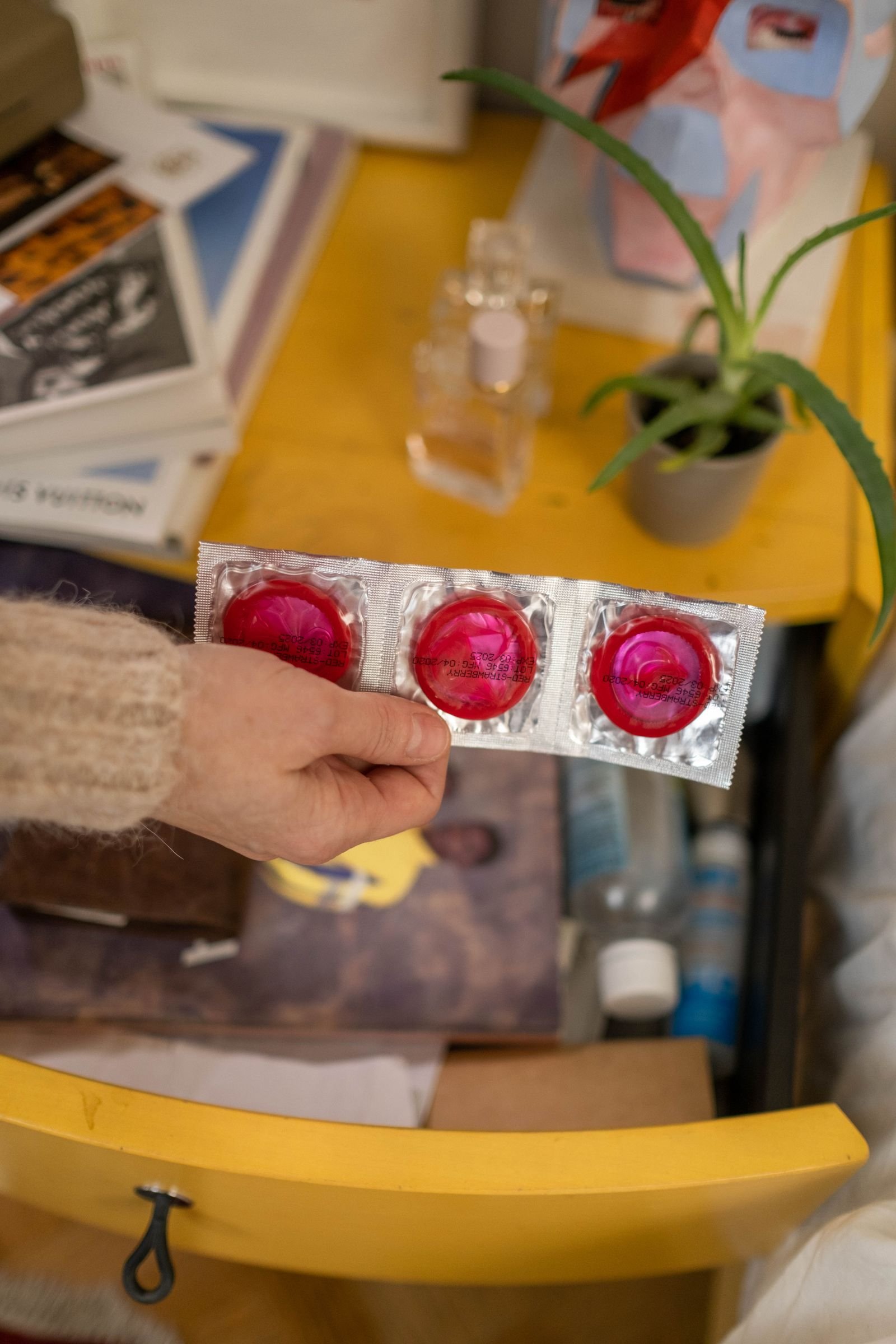
The pharmacy at midnight is a confessional with fluorescent lights.
Everybody in that aisle is doing the same math. Nobody is browsing. Nobody is comparing brands like they’re picking out cereal. You’re standing there in yesterday’s shirt hoping the teenager at the register has seen worse, and he has, but that doesn’t make you feel any better at 12:40 in the morning.
I’ve been the guy doing laps past the family planning section pretending to look for vitamins.
Most of us have.
So this isn’t a lecture from somebody who planned every minute of his sex life like a train schedule. This is a guy who learned the difference between a backup plan and a lifestyle by paying retail for the lesson.
Plan B is a parachute. Parachutes are wonderful inventions. Nobody builds their whole travel plan around jumping out of the plane.
What the Pill Actually Does
Plan B is levonorgestrel. One pill, one job: it delays ovulation. It holds the egg back so the sperm that can live inside somebody for up to five days die off before there’s anything to fertilize.
No egg, no pregnancy. That’s the whole trick.
Which means timing runs the show. If ovulation already happened, the pill has nothing left to delay, and it isn’t expected to work. It does not end a pregnancy. It does not touch one that’s already started. Somebody in the comments is already typing the word abortion, and you can put the phone down, because this ain’t that. Different medicine, different job entirely.
Take it as soon as possible. The box says 72 hours. There’s some benefit stretching toward 120 hours, but it fades the longer you wait, like most rescue plans.
The Clock, the Scale, and the Other Options Nobody Mentions
Here’s the part that should be printed bigger.
Levonorgestrel gets less reliable at higher body weights. The research starts raising its eyebrows around 165 pounds. There’s no magic number where it quits completely, and anybody who tells you there is one is guessing. But if you’re shopping for emergency contraception and you weigh more than that, you deserve to know there’s a stronger play.
Ella. Prescription pill, ulipristal acetate, works up to five days out and holds up better late in the window and at higher weights than Plan B does.
And the strongest option barely gets talked about: a copper IUD placed within five days stops more than 99% of pregnancies from a given incident, and then it just stays there doing its job for a decade. Emergency and long-term handled in one appointment.
Ask a pharmacist. Ask fast. The worst move in the whole emergency contraception playbook is researching your options on day four like you’re writing a term paper.
Do the Math Out Loud
Brand-name Plan B runs about $40 to $50. Generics are cheaper, sometimes a lot cheaper, same drug.
Twice a month at brand price is a hundred dollars.
A hundred dollars a month on emergency management of a problem that a twelve-dollar box of condoms mostly prevents. I have made some financial decisions in my life that would make an accountant sit down, and even I can see that one.
The side effects aren’t free either. Nausea. Headaches. Cramping. A period that shows up early, late, or weird. None of it dangerous for most people, and using Plan B more than once won’t damage your fertility, so if you need it, take it, no shame tax. But “safe to repeat” and “smart to rely on” are two different conversations.
And it only covers the sex that already happened. It does nothing for Thursday. It does nothing at all for infections, and we’ll get to that.
The Part the Pill Can’t Help You With
Plan B has never once stopped an STI. Not one, not ever, that is not what it is.
Chlamydia does not care about your receipt. Neither does gonorrhea, syphilis, herpes, or HIV. The only things on the shelf that lower infection risk are barriers: external condoms, internal condoms, dental dams for oral. Latex and polyurethane between bodies. That’s the entire list, and it has been the entire list for decades.
Plenty of infections also travel without symptoms. You can feel great, look great, and be carrying something you picked up two partners ago. Which is why “I feel fine” is a weather report, not a test result.
Condoms, Handled Like You Give a Damn
Used right, every time, external condoms sit around 98% effective at preventing pregnancy over a year. In the real world, with real people doing real people things, it’s about 87%. That gap is not the condom’s fault. The gap is us.
The greatest hits of condom failure:
The wallet condom. Cooked by body heat, sat on for eight months, folded since the last administration. That condom has served its country. Bury it.
Two at once. Double bagging sounds like extra safety and produces extra friction, which produces tearing. One condom, worn right, beats two worn stupid.
Oil. Petroleum jelly, lotion, massage oil, all of it eats latex. Water-based or silicone-based lube, every time, unless you enjoy surprises of the nine-month variety.
Late. Putting it on halfway through means it missed the part where fluids already showed up. On before contact. Every act gets a fresh one.
Size. Too tight breaks and feels awful, too loose slips and feels awful, and then men declare themselves allergic to condoms as a species. You’re not special. There are sizes, thin ones, non-latex ones. Shop around like you’d shop for shoes, because fit is the whole complaint ninety percent of the time.
Internal condoms run about 79% effective with typical use and they’re worn by the receiving partner, which puts control in different hands. Dental dams handle oral. None of this is complicated. It’s just unsexy to learn at 1 AM, so learn it now.
The Rest of the Menu
If pregnancy prevention is the goal, the menu is long and some of it is excellent.
The pill, the patch, and the ring land around 93% effective with typical use. The shot is about 96%. The implant and IUDs are over 99%, mostly because there’s nothing to forget. Hormonal IUDs last three to eight years depending on the model. Copper goes ten or more. Vasectomy and tubal surgery are the permanent doors, and a vasectomy isn’t official until the follow-up semen test says so.
Notice what none of those do. Not one of them blocks an infection. Which is why condoms plus another method is such a solid pairing, especially with new partners: one handles pregnancy, the other handles everything else.
And fellas. If you’re in the bed, you’re in the responsibility. “She’s on something” is not a contribution.
Getting Tested
A test is not an accusation. Nobody’s character gets graded at the clinic.
What gets graded is whether you know. Infections at the throat or rectum won’t show up on a urine test, so if those are places you play, say so and get swabbed there. Tests also have windows. Test too soon after an exposure and a recent infection can hide. A clinician can tell you what to test for and when, if you actually tell them the truth about your sex life, which is the one room where lying only hurts you.
Monogamous people skip testing because they trust each other, and trust is a lovely thing that has never once killed a bacterium. Plenty of people carried something into a faithful relationship from before it started. Test anyway.
Saying It Before You’re Naked
The fear is that bringing up protection kills the mood.
The mood is hardier than you think. “Before we get carried off, what are we using?” takes four seconds. Said with a grin, while you’re already pulling somebody closer, it doesn’t sound like paperwork. It sounds like a man who has done this before and plans to be invited back.
Pushback is where it gets educational.
“I don’t like how they feel.” Fine. Sizes, materials, lube. That’s a shopping problem, solvable.
“Don’t you trust me?” That’s the one. Trust is about character. Infections are about biology, and biology has never respected anybody’s character. A good person can carry something they don’t know about. Refusing a condom isn’t proof of love, and asking for one isn’t an insult.
And the hard line, because it needs one: agreeing to a condom and taking it off in secret during sex is a consent violation. Full stop. Somebody agreed to one act and got another. If that’s your move, you’re not slick, you’re a problem with a pulse.
When the Backup Is the Right Call
Condoms break. Pills get missed. Nights happen. Assault happens too, and emergency contraception exists for all of it, no embarrassment attached.
Act fast. Plan B and its generics sit on the shelf in the US, no prescription, no age limit. Ask about ella or an IUD if the window or your weight makes it the smarter call. If you throw up within two hours of taking the pill, call a pharmacist, you may need another dose. If the period doesn’t show, test at three weeks. And if there’s any chance of HIV exposure, PEP exists, but it has to start within 72 hours, so that conversation is a today conversation.
Buy your condoms on a Tuesday afternoon, calmly, in daylight, like a man buying batteries. The midnight pharmacy run is a story everybody should only have once.

Leave a Reply